How Regulatory Shifts Influence Slot Variety Introductions Across International Mobile Gaming Platforms in Yearly Refresh Periods
Petra Jenkins · Aug 20, 2026
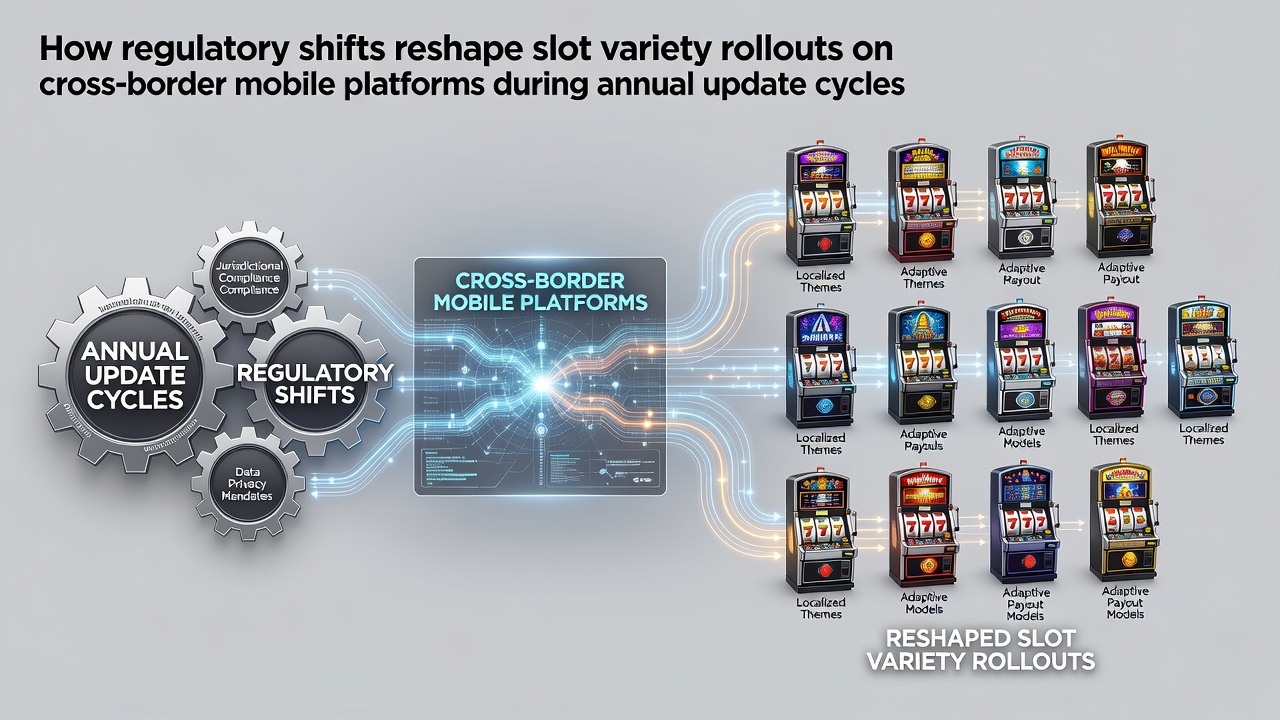
How Regulatory Shifts Influence Slot Variety Introductions Across International Mobile Gaming Platforms in Yearly Refresh Periods
Regulatory changes continue to alter the pace at which new slot titles reach cross-border mobile platforms, especially when those platforms align releases with annual software cycles. Operators must navigate differing certification rules across regions, which often forces staggered launches rather than simultaneous global rollouts. Data from industry reports shows that approval timelines stretch by several weeks when jurisdictions update their technical standards for random number generators and payout verification.
Platforms serving multiple markets face layered compliance demands during these yearly refreshes. European operators, for instance, coordinate with the European Commission guidelines on consumer protection features, while Australian entities reference updates from the Australian Communications and Media Authority. These overlapping requirements mean development teams adjust game parameters such as volatility settings and bonus round frequencies before each major update window opens.
Certification Processes and Their Effect on Release Schedules
Annual update cycles typically occur between late summer and early fall, and August 2026 saw several authorities tighten their review protocols for mobile-optimized slot mechanics. Regulators now require additional documentation on player interaction data, which includes session length tracking and loss-limit integration. Research indicates that these extra layers extend the average certification period from four weeks to six or seven in cross-border scenarios.
Take one developer preparing a cluster of five new titles for a pan-European and Asia-Pacific audience. That team discovered it needed separate builds for each market because one jurisdiction mandated visible responsible gaming prompts at fixed intervals while another prohibited certain autoplay sequences. The result was a phased rollout where three titles launched first in compliant regions and the remaining two followed after targeted modifications.
Regional Variations in Technical Standards
Cross-border mobile platforms encounter distinct technical mandates that directly shape which slot varieties become available. Some regulators emphasize server-based monitoring of game outcomes, whereas others focus on client-side encryption for mobile devices. Observers note that these differences create bottlenecks during the annual cycle because testing laboratories must validate each version separately before operators receive clearance.
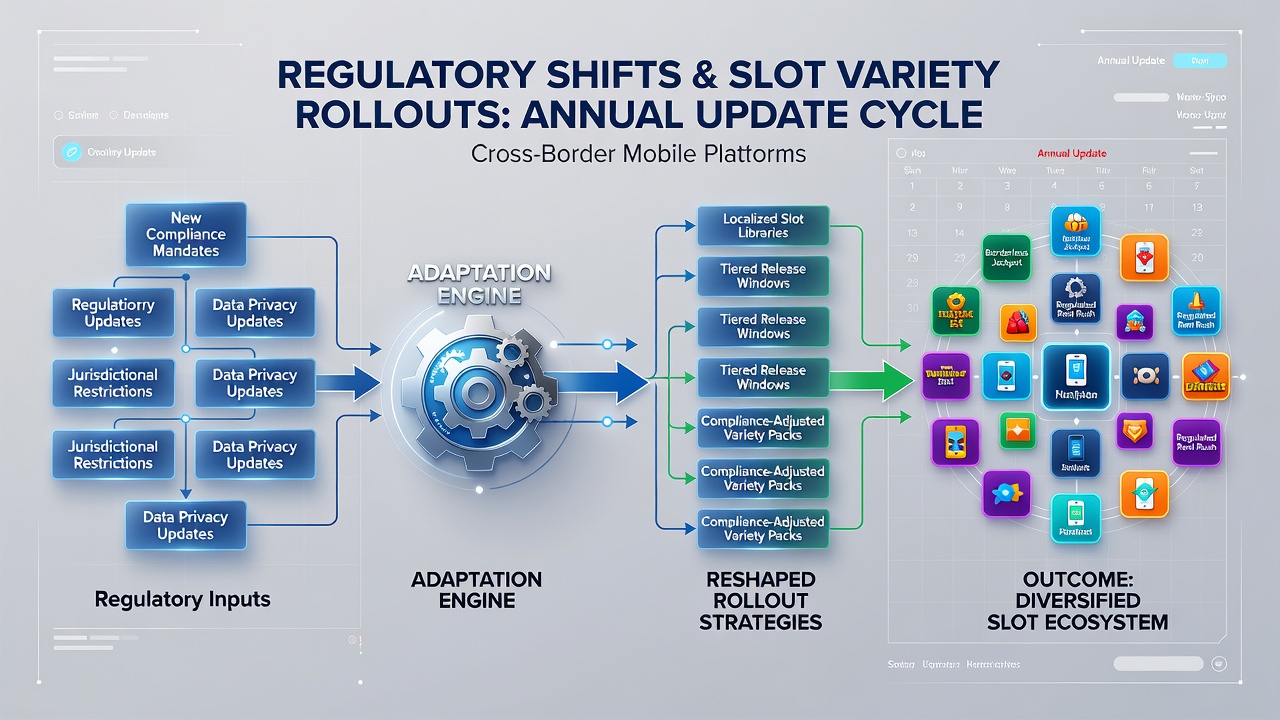
According to figures from the Government of Canada gaming oversight resources, platforms operating in both North American and European markets reported a 22 percent increase in pre-launch testing hours in 2025. This uptick stems from new rules around progressive jackpot linking and multi-jurisdiction pooling. Developers therefore prioritize titles with modular features that can be toggled on or off depending on the target region.
Impact on Game Variety and Provider Strategies
Slot providers respond to these regulatory pressures by expanding their libraries of adaptable content. Rather than creating entirely new mechanics for every market, many now design base games with configurable compliance modules. Evidence from trade association data reveals that this approach allows faster adaptation during annual update windows, although it still requires extensive documentation for each jurisdiction.
What's interesting is how these shifts affect smaller providers who lack dedicated compliance teams. Larger studios absorb the extended timelines more easily, while independent developers often partner with established platforms to share certification costs. One study revealed that such collaborations increased by 18 percent between 2024 and 2026, particularly among companies targeting mobile-first audiences.
Future Outlook for Annual Cycles
Looking ahead, authorities continue to refine their approaches to mobile slot approvals, with emphasis on real-time auditing capabilities. Platforms that maintain flexible architectures find it easier to incorporate new requirements without delaying entire catalogs. Researchers discovered that operators who invest in automated compliance tools reduce their average rollout delays by up to three weeks during peak update periods.
Conclusion
Regulatory evolution shapes slot variety availability on cross-border mobile platforms by extending certification timelines and demanding market-specific adaptations during annual refresh cycles. Platforms that align their development processes with these shifting standards maintain broader catalogs, while those that do not experience narrower selections and delayed launches. Data shows the pattern persists across regions and will likely intensify as technical requirements become more granular.